
The Future of Solar Solutions and Innovations: What’s Next for Solar Energy?
At Infinity Solar USA, we’re committed to bringing you the latest in solar technology, but the truth is: the future of solar energy is even more exciting than the present. As solar technology continues to evolve, new innovations are emerging that promise to make solar energy even more accessible, efficient, and affordable for homeowners and businesses alike.
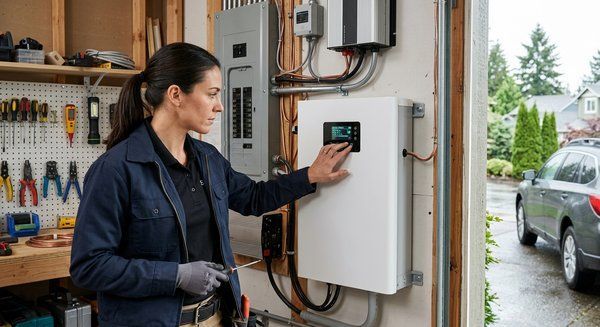
So, what does the future hold for solar solutions? Let’s dive into some of the cutting-edge advancements and trends that will shape the future of solar energy.
1. Advanced Solar Panel Efficiency
Efficiency is the key to maximizing the energy output of solar systems, and the next generation of solar panels is designed to perform better than ever before. Traditional silicon-based panels have already come a long way in terms of performance, but researchers are continuously developing new materials and technologies that promise even greater efficiency.
Perovskite Solar Cells
One of the most promising innovations is perovskite solar cells, which are cheaper and easier to produce than traditional silicon cells. These cells could offer a significant jump in efficiency, with the potential to exceed 30% efficiency compared to current levels of around 20%. Perovskite solar cells are also lighter, flexible, and can be used in a wider range of applications, from rooftops to portable devices.
Tandem Solar Cells
Tandem solar cells combine multiple materials—such as perovskite and silicon—to capture more sunlight across a broader range of wavelengths. This technology could boost solar panel efficiency even further, allowing panels to generate more power from the same amount of sunlight.
- Pro Tip: With innovations like perovskite and tandem solar cells, we could see solar panels that are not only more efficient but also cheaper to produce, bringing solar power to more homes and businesses.
2. Solar Battery Storage Advancements
While solar panels produce power during the day, the challenge remains how to store that energy for use at night or during cloudy periods. That’s where solar battery storage comes in, and the future of this technology is incredibly promising.
Next-Gen Batteries
The future of solar battery storage lies in next-generation technologies like solid-state batteries, which promise to be more efficient, longer-lasting, and safer than today’s lithium-ion batteries. Solid-state batteries use a solid electrolyte instead of a liquid one, making them less prone to overheating and fire hazards. These batteries could also hold more energy, allowing homeowners and businesses to store more solar energy for later use.
Cheaper, More Accessible Storage
As demand for battery storage increases, prices are expected to fall. This means more people will have access to affordable, reliable battery systems to complement their solar panels. Paired with solar, these batteries can help you achieve energy independence, reducing reliance on grid electricity and offering backup power during outages.
- Pro Tip: When integrated with solar panels, advanced storage solutions will make your system even more efficient, allowing you to maximize your energy savings and security.
3. Solar-Powered Smart Homes and Buildings
The integration of smart home technology with solar energy is another exciting development that will play a major role in the future of solar solutions. Imagine a home where your solar system, battery storage, appliances, and energy consumption are all connected and optimized automatically through a smart system.
Smart Energy Management Systems
Next-generation solar systems will be paired with intelligent energy management systems that monitor your energy production and consumption in real time. These systems will adjust your energy usage based on factors like weather forecasts, energy pricing, and even real-time demand from the grid. The system can automatically store energy when it’s abundant (e.g., sunny days) and release it when energy costs are higher, maximizing savings.
Integration with IoT Devices
Solar systems will also be integrated with the Internet of Things (IoT), allowing devices like thermostats, lights, and appliances to run more efficiently based on solar production. For example, your smart thermostat could be programmed to run during the day when your solar panels are producing extra power, reducing the need to purchase energy from the grid.
- Pro Tip: Smart homes powered by solar will not only help lower your energy bills but also enhance convenience and control over how energy is used in your home or business.
4. Solar Roofs and Building-Integrated Photovoltaics (BIPV)
The days of bulky solar panels sticking out from your roof may be numbered. The future of solar is more seamless and aesthetic, with solar roofs and Building-Integrated Photovoltaics (BIPV) paving the way for energy-efficient buildings that don’t look like traditional solar installations.
Solar Roofs
Companies like Tesla have already begun rolling out solar roof tiles, which look like regular roofing materials but are integrated with solar cells that generate power. These solar roofs are durable, visually appealing, and serve the dual purpose of providing energy and protecting your home from the elements.
Building-Integrated Photovoltaics (BIPV)
BIPV refers to solar technology that is integrated directly into building materials, such as windows, facades, and even flooring. This allows for a more aesthetic, streamlined installation that doesn’t require the traditional rooftop space for solar panels. In the future, entire buildings could be designed with solar power generation built right into their structure, making solar energy a standard feature in modern architecture.
- Pro Tip: BIPV and solar roofs provide a discreet, stylish way to incorporate solar power into your home or business, without sacrificing aesthetics.
5. Solar-Powered Vehicles
As the world moves toward renewable energy, solar-powered vehicles are starting to hit the market. From electric cars with integrated solar panels to solar-powered EV charging stations, the transportation sector is beginning to leverage solar energy to reduce dependence on fossil fuels.
Solar-Powered EVs
Automakers are exploring the integration of solar panels into electric vehicles (EVs), allowing cars to recharge while parked in the sun. While the technology is still in its early stages, we’re likely to see more solar-powered cars on the road in the future. Solar energy could make EVs even more sustainable, reducing the need for charging stations and allowing vehicles to self-charge using renewable energy.
Solar EV Charging Stations
In addition to solar cars, solar-powered charging stations are being developed to reduce the environmental impact of EV charging. These stations can generate their own power using solar panels, making them both eco-friendly and cost-effective.
- Pro Tip: Solar-powered vehicles and charging stations will be a key part of the transition to a fully sustainable energy ecosystem, allowing for clean, renewable transportation.
6. The Role of Artificial Intelligence (AI) in Solar Energy
Artificial intelligence (AI) will play an increasingly important role in optimizing solar energy systems. AI-powered systems can predict energy production based on weather patterns, adjust energy storage in real-time, and even predict potential system failures before they happen.
- Pro Tip: With AI, solar systems will become more autonomous, efficient, and responsive, further enhancing the overall performance of solar energy solutions.
Final Thoughts
The future of solar energy is bright—and it’s only going to get better. From higher efficiency solar panels and next-gen batteries to seamless integration with smart homes and solar-powered vehicles, solar solutions are evolving rapidly. These innovations not only promise to make solar more efficient and affordable but will also change the way we think about and use energy.
At Infinity Solar USA, we’re excited about the future of solar and are dedicated to bringing the latest technologies to your home or business. If you’re ready to join the solar revolution and take advantage of these groundbreaking innovations, contact us today to explore the best solar solutions for your needs.
More Blog Posts


More Guides For You From Our Help Center
Service and Troubleshooting
Understanding your solar system performance
How to schedule a repair
Solar Financing and Incentives
How does net metering work?
- How Net Billing Works (And Why Export Credits Are Your New Best Friend)
- How "Buy All, Sell All" Works in Solar (And Why It’s a Great Deal for You)
- How Monthly Net Metering Works (Spoiler: It’s Like a Bank for Your Energy)
- What is Net Metering and Why It Matters in the Solar Industry?
- What Is 1:1 Net Metering, and Why Should You Care? (Hint: It’s Awesome)
Solar financing. Understanding your options
- Explore Your Financing and Cash Options for Going Solar with Infinity Solar USA
- Commercial Solar Solutions: What You Need to Know from Infinity Solar USA
- Solar Installation Costs and Financial Incentives: What You Need to Know from Infinity Solar USA
- Why Solar Loans Reamortize in Month 19: A Closer Look
System Performance
How to optimize your solar systems performance
How peak sun hrs works in solar
How does roof pitch and orientation affect solar production?
How shading and irradiation affect solar production
Solar 101
Understanding your solar energy savings
Different purchase options:
How do I save money with solar?
Solar Process
Step 1 Proposal Introduction
Step 2 Construction Pipeline Process
Step 3 Permission to Operate
Service and Troubleshooting
Understanding your solar system performance
How to schedule a repair
Solar Financing and Incentives
How does net metering work?
- How Net Billing Works (And Why Export Credits Are Your New Best Friend)
- How "Buy All, Sell All" Works in Solar (And Why It’s a Great Deal for You)
- How Monthly Net Metering Works (Spoiler: It’s Like a Bank for Your Energy)
- What is Net Metering and Why It Matters in the Solar Industry?
- What Is 1:1 Net Metering, and Why Should You Care? (Hint: It’s Awesome)
Solar financing. Understanding your options
- Explore Your Financing and Cash Options for Going Solar with Infinity Solar USA
- Commercial Solar Solutions: What You Need to Know from Infinity Solar USA
- Solar Installation Costs and Financial Incentives: What You Need to Know from Infinity Solar USA
- Why Solar Loans Reamortize in Month 19: A Closer Look
System Performance
How to optimize your solar systems performance
How peak sun hrs works in solar
How does roof pitch and orientation affect solar production?
How shading and irradiation affect solar production
Solar 101
Understanding your solar energy savings
Different purchase options:
How do I save money with solar?
Solar Process
Step 1 Proposal Introduction
Step 2 Construction Pipeline Process
Step 3 Permission to Operate