The Solar Shakeout Is Here. Here's Who's Still Standing.
- Thorough Cleaning: Professionals use specialized equipment and non-abrasive cleaning solutions that remove buildup without damaging the glass or underlying technology.
- Safety First: Climbing onto rooftops to clean panels is dangerous. Experienced technicians know how to clean safely and effectively.
- Optimized Efficiency: Clean panels absorb more sunlight, directly increasing energy production.
By Infinity Solar USA
The residential solar industry is going through its hardest stretch in a decade. The federal tax credit changes from the One Big Beautiful Bill Act, paired with higher interest rates and tighter project financing, have squeezed installers across the country. Some are downsizing. Some are merging. And some — like Medford's Purelight Power, which shut down in December — are gone entirely.
For homeowners who already have
solar energy systems on their roof, or who are weighing whether to install them, that's an unsettling backdrop. So let's talk plainly about what's happening and what to look for in a solar company right now.
Why companies are folding
Three things hit the industry at once. Federal incentives that made the math easy for homeowners got pulled back. Interest rates pushed financing costs up just as sales volume came down. And a wave of mergers across the residential solar space — including Purelight's 2025 combination with Solgen Power — left a lot of companies carrying integration costs they couldn't absorb when revenue dropped.
The companies that didn't have strong balance sheets, lean operations, or diversified service offerings are the ones running out of runway.
What survival looks like
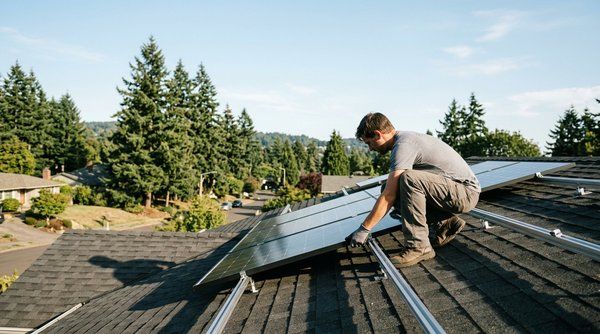
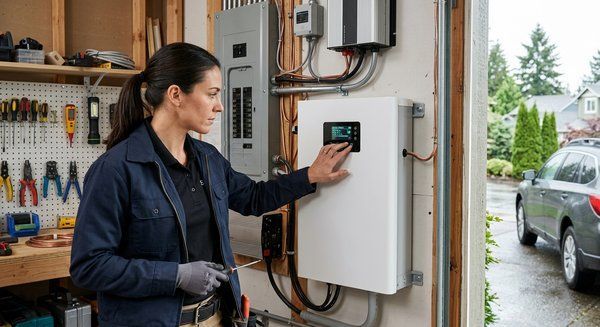
The installers still standing in 2026 generally share a few traits. They run lean. They own their installation and solar panel maintenance work rather than subcontracting everything. They've been around long enough to weather a downturn before. And critically, they've built service and maintenance arms that generate steady revenue even when new solar power systems sales slow down.
At Infinity Solar USA, that's exactly the model we've built. We do our own
solar panel installation, we service what we sell, and we've expanded our footprint — including a recent expansion across the country in states like Oregon, Washington, Virginia, and Ohio after acquiring Purelight's assets — because we believe in the long-term future of
residential solar systems even when the short-term gets bumpy.
What homeowners should look for
If you're shopping for solar right now, or you're an "orphaned" customer of a company that closed, ask these questions before you sign anything:
- How long has the company been operating, and under what ownership?
- Do they perform solar panel installation in-house or subcontract?
- Who honors the workmanship warranty if the manufacturer or installer goes away?
- Do they have a dedicated service and maintenance team — not just a sales team?
- Are they licensed in your state and certified through programs like Energy Trust of Oregon, etc.?
Those questions separate the companies built for the next ten years from the ones built for the last boom.
The bottom line
Solar still works. The technology behind today's solar energy systems is better and more affordable than it's ever been, and homeowners everywhere are still seeing real savings even without the federal credit at its old level. What's changed is that the company you choose matters more than ever.
We're hiring, we're expanding, and we're here for the long haul. If you have questions about your existing system or you're thinking about going solar with new
residential solar systems, we'd be glad to talk.
More Blog Posts

More Guides For You From Our Help Center
Service and Troubleshooting
Understanding your solar system performance
How to schedule a repair
Solar Financing and Incentives
How does net metering work?
- How Net Billing Works (And Why Export Credits Are Your New Best Friend)
- How "Buy All, Sell All" Works in Solar (And Why It’s a Great Deal for You)
- How Monthly Net Metering Works (Spoiler: It’s Like a Bank for Your Energy)
- What is Net Metering and Why It Matters in the Solar Industry?
- What Is 1:1 Net Metering, and Why Should You Care? (Hint: It’s Awesome)
Solar financing. Understanding your options
- Explore Your Financing and Cash Options for Going Solar with Infinity Solar USA
- Commercial Solar Solutions: What You Need to Know from Infinity Solar USA
- Solar Installation Costs and Financial Incentives: What You Need to Know from Infinity Solar USA
- Why Solar Loans Reamortize in Month 19: A Closer Look
System Performance
How to optimize your solar systems performance
How peak sun hrs works in solar
How does roof pitch and orientation affect solar production?
How shading and irradiation affect solar production
Solar 101
Understanding your solar energy savings
Different purchase options:
How do I save money with solar?
Solar Process
Step 1 Proposal Introduction
Step 2 Construction Pipeline Process
Step 3 Permission to Operate
Service and Troubleshooting
Understanding your solar system performance
How to schedule a repair
Solar Financing and Incentives
How does net metering work?
- How Net Billing Works (And Why Export Credits Are Your New Best Friend)
- How "Buy All, Sell All" Works in Solar (And Why It’s a Great Deal for You)
- How Monthly Net Metering Works (Spoiler: It’s Like a Bank for Your Energy)
- What is Net Metering and Why It Matters in the Solar Industry?
- What Is 1:1 Net Metering, and Why Should You Care? (Hint: It’s Awesome)
Solar financing. Understanding your options
- Explore Your Financing and Cash Options for Going Solar with Infinity Solar USA
- Commercial Solar Solutions: What You Need to Know from Infinity Solar USA
- Solar Installation Costs and Financial Incentives: What You Need to Know from Infinity Solar USA
- Why Solar Loans Reamortize in Month 19: A Closer Look
System Performance
How to optimize your solar systems performance
How peak sun hrs works in solar
How does roof pitch and orientation affect solar production?
How shading and irradiation affect solar production
Solar 101
Understanding your solar energy savings
Different purchase options:
How do I save money with solar?
Solar Process
Step 1 Proposal Introduction
Step 2 Construction Pipeline Process
Step 3 Permission to Operate